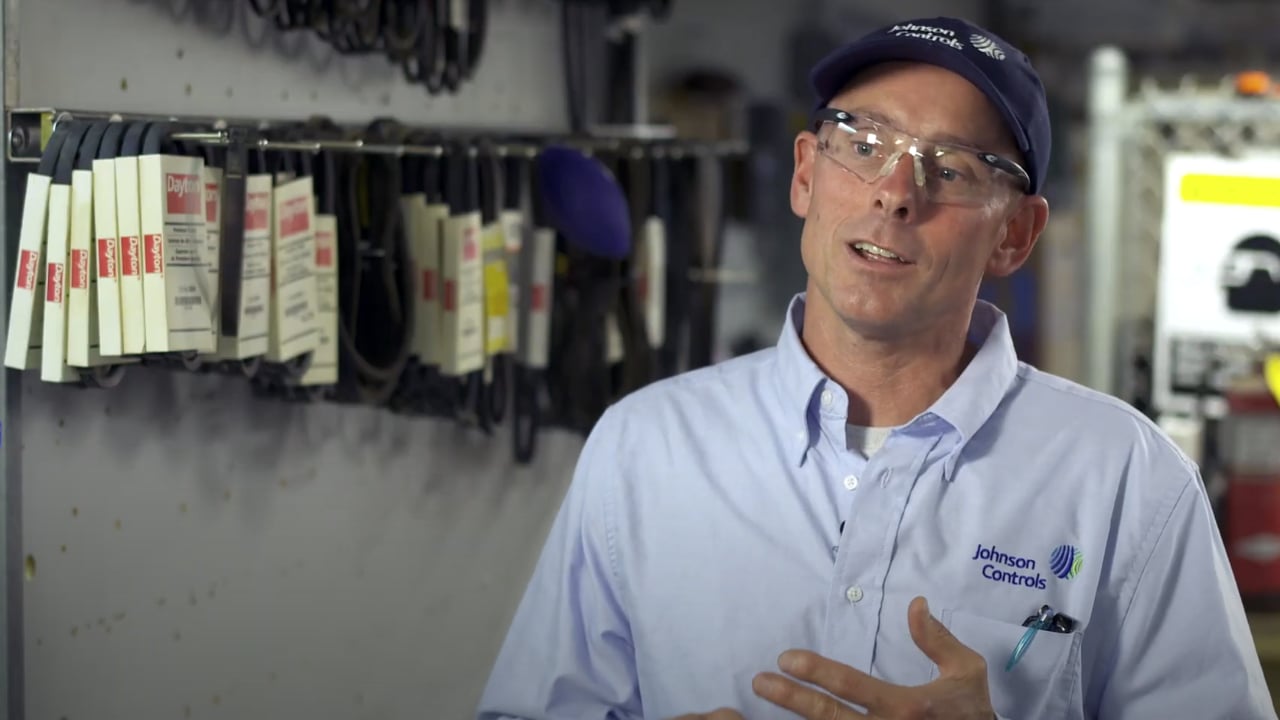
Most hiring problems aren’t about volume. They’re about clarity.
Recruiting videos give candidates a real understanding of the role, the people, and the environment before they apply. When expectations are clear upfront, interviews are better, hiring moves faster, and retention improves.
1. Culture Videos That Show Real Fit
Culture videos reveal how teams actually work together, not how a company describes itself. Candidates can see communication styles, energy, and pace instead of guessing.
When people recognize themselves in what they see, they apply with confidence. When they don’t, they opt out early.
2. Role-Specific Videos That Reduce Mismatches
Role-specific videos explain what the job really looks like day to day. They clarify responsibilities, team dynamics, and what success means in the role.
That clarity filters out poor fits and attracts candidates who understand the expectations from the start.
3. Meet-the-Team Videos That Humanize Hiring
Candidates aren’t just choosing a job. They’re choosing who they’ll work with.
Meet-the-team videos introduce faces and personalities early, making interviews feel more familiar and conversations more productive.
4. Leadership Videos That Build Confidence
Candidates want to know where an organization is headed and who’s leading it. Leadership videos allow executives and managers to communicate direction, priorities, and values directly.
This matters most for senior roles and during periods of growth or change.
5. Day-in-the-Life Videos That Remove Guesswork
Job descriptions can’t capture the rhythm of a real workday. Day-in-the-life videos show how time is spent, what the environment feels like, and what challenges come with the role.
Candidates can picture themselves doing the work before they apply.
6. Employee Testimonials That Add Credibility
Employees are more trusted than marketing copy. Honest testimonials about why people stay and how they’ve grown help candidates evaluate opportunities realistically.
These stories reduce skepticism and build trust early in the process.
7. Recruiting Videos Made for Social Platforms
Recruiting videos shouldn’t live only on a careers page. Short versions work well on LinkedIn and social feeds, where passive candidates are already spending time.
This helps opportunities reach people who aren’t actively job hunting.
8. Onboarding Preview Videos That Set Expectations
Recruiting doesn’t stop at the offer. Videos that preview onboarding and training help new hires know what to expect before day one.
Clear expectations reduce second-guessing and early drop-off.
9. Facility and Location Videos for On-Site Roles
For in-person roles, candidates want to see the space. Facility videos show work environments, equipment, and settings that are hard to describe in text.
Transparency upfront prevents late-stage surprises.
10. Recruiting Videos Built as a System
The strongest recruiting results come from systems, not one-off videos. A core culture video, supported by role-specific and team content, creates a reusable hiring library.
This supports recruiting year-round, not just during urgent openings.
Recruiting videos aren’t about polish. They’re about clarity.
Clear roles. Clear expectations. Clear culture.
That’s how better hires happen.
Ready to Use Video More Strategically for Recruiting?
If hiring is getting harder or more expensive, video should be doing more of the work upfront.
Start a recruiting video conversation →